


 Facebook
 Google
Glasses for the treatment of amblyopia
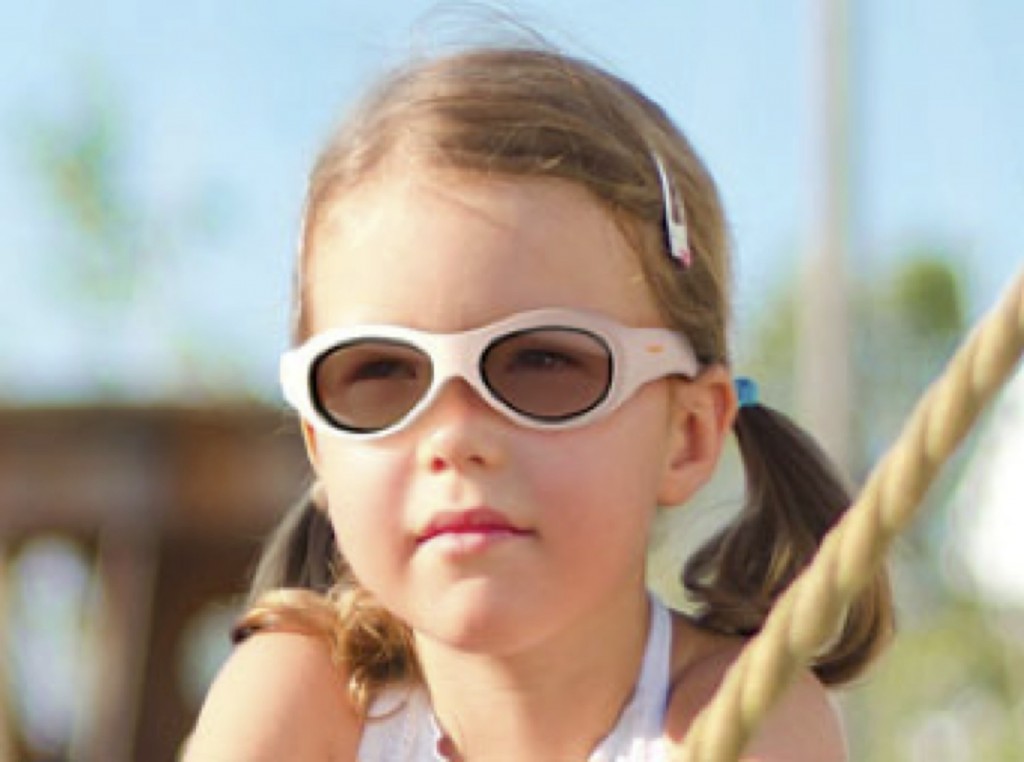
Amblyopia is a vision disorder in which one eye (called the "lazy eye") has reduced acuity/sharpness, even when corrected with glasses or contact lenses in the case of a refractive error (myopia, hyperopia and astigmatism). Amblyopia, estimated to affect 1-5% of the population — often in early childhood — is usually the result of reduced stimulation of the "brain" neurons that receive information from the "lazy eye" for an extended period. It can also occur when the brain "blocks" the visual processing from one eye to avoid double vision, as happens with strabismus.
Amblyz™ glasses, also known as Liquid Crystal Glasses, are an innovative method of treating amblyopia, which now allows children to replace the process of covering the good eye simply by wearing their glasses, avoiding the use of an adhesive patch or atropine drops. They are suitable for children aged between 3-10 and daily use for a specific period during the day is recommended.

So how do these glasses work?
They are a thin electronic liquid-crystal shutter, controlled by a microchip and built into ophthalmic lenses, which is "applied" in front of the child's "good" eye (as a means of covering), and can at the same time be combined with prescription lenses (to correct the refractive error). The liquid-crystal shutter consists of large organic molecules that display electrical polarity and float in a liquid gel. When electrical voltage is applied to the shutter, the spatial orientation of the molecules changes and the polarity of the light rotates. The rotated light is then blocked by the outer polarising film, creating a "black" lens.
The optician can fit the child's corrective lenses into the Amblyz™ frame — where required — and adjust it to their face. They are also the one who will programme the electrical mechanism (microchip) appropriately so that the lens acts as a patch during the required hours. What parents need to do is charge the mechanism's battery every evening.
In a recent study carried out to investigate the effectiveness and safety of Liquid Crystal Glasses in 24 children aged 4-8 over 9 months, the results showed a significant improvement in distance vision (3.5 lines on the logMAR scale, ~100% improvement), as well as in near vision, and a significant improvement in binocular vision. An important finding of the study was the high rate (92%) of compliance shown by the children with this method of treating amblyopia.

The advantages of Amblyz™ glasses compared with existing methods of treating amblyopia are:
> The periodic occlusion of the "good" eye gives binocular vision room to develop.
> It ensures the child's compliance, which increases the success rates of the treatment.
> It does not require such close supervision by parents; it is enough that the children wear the glasses and the parents see to charging the battery.
> It removes the risk of the child being marginalised by peers.
source: www.opticalhouse.gr