


 Facebook
 Google
Don't read an e-book before going to sleep
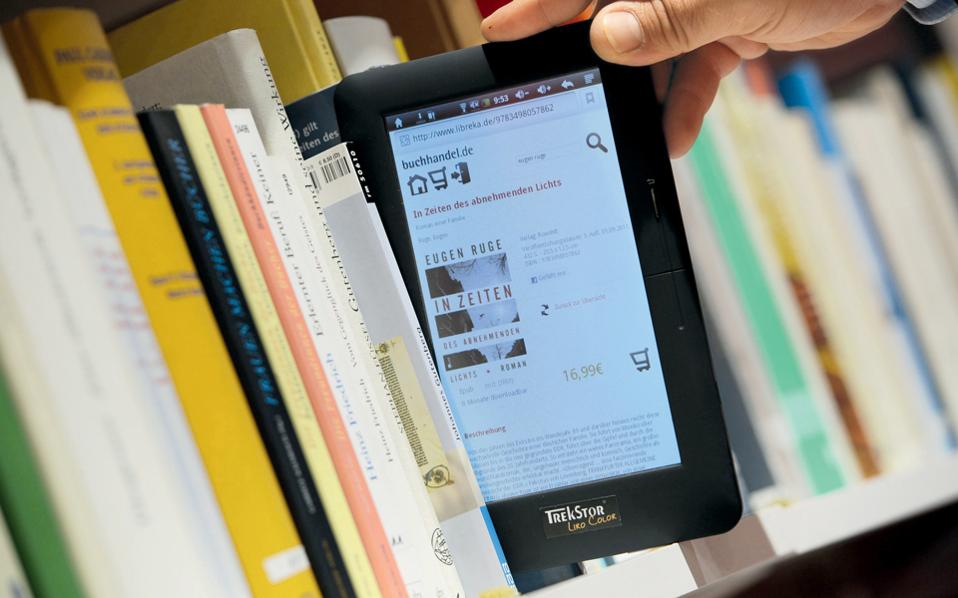

Electronic books, as well as other sources of blue light such as tablets and smartphones, appear to be particularly harmful to the quality of night-time sleep, experts at Harvard University point out.
Did you curl up under the duvet hugging your e-book until you fell asleep? Wrong move, according to American researchers, because that way you destroy any hope of soon being in the arms of Morpheus — and it is quite possible that you are harming your health at the same time.
A team of scientists from Harvard Medical School compared the effects of reading traditional printed books and electronic ones shortly before sleep. As they found, it takes longer to fall asleep when you read an e-book, and the quality of sleep, once you finally drop off, is worse, so you wake up more tired the next morning.
Readers who use Kindle e-readers do not face such problems. More generally, however, experts warn that we should limit our exposure to light sources during the night. Of course, whatever you read, from Hugo's Les Misérables to a pulp novel, the last thing on your mind is probably the effect it will have on your night-time sleep. Nevertheless, concern is growing about our exposure to various light sources during the night, and especially before we go to sleep.
The human body has learned to synchronise differently by day and by night, according to its internal clock, which uses light to know what time it is. However, blue light — the wavelength common in tablets, smartphones and LED lighting — can disrupt the functioning of the biological clock. Blue light during the night can also slow down or prevent the release of the sleep hormone, melatonin.
Twelve volunteers
To reach their conclusions, the researchers asked twelve volunteers to sleep in a sleep laboratory for two weeks. They spent the first five days reading a traditional "paper" book, while the remaining five they read from an iPad. Blood tests at regular intervals showed that melatonin production decreased when the volunteers read from the electronic device.
So they needed more time to fall asleep, their sleep was less deep and they woke up more tired when they read the e-book.
As Professor Charles Czeisler, coordinator of the relevant research, points out, disrupted sleep has very bad effects on general health, as it increases the risk of cancer, cardiovascular disease and metabolic diseases such as obesity and diabetes.
kathimerini.gr