


 Facebook
 Google
Vision & Nutrition
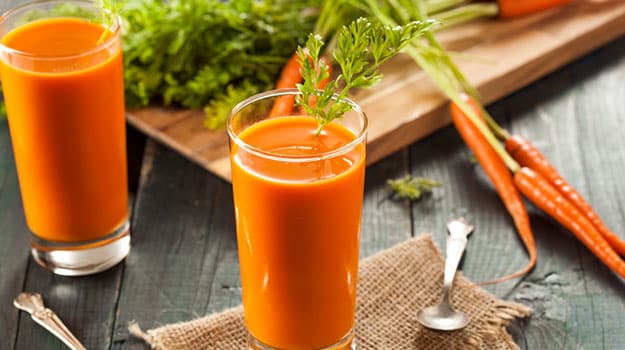
It is well known that a correct and balanced diet contributes to longevity and gives us wellbeing and energy during the day. The right foods also help protect vision from environmental factors and shield the sensitive areas of the eye from the harmful rays of the sun.
Recent research has bridged unhealthy diet and the increased risk of Age-related Macular Degeneration (AMD).
To avoid irreversible damage to your vision, we recommend 4 food groups that contribute to good eye health.
Antioxidant Vitamins.
Vitamins A, C and E contain ingredients that help maintain the health of both the cells and the tissues within the eye and at the same time slow the progression of AMD. Generous consumption of vitamin C has been shown to reduce the risk of cataract.
Lutein and zeaxanthin. (C40H56O2)
Multiple studies have shown that these antioxidant foods, called carotenoids, reduce the risk and slow the progression of chronic eye conditions.
Omega 3 fatty acids.
This essential fatty acid is considered to play a leading role in the development of vision in both infants and children. Dry eye syndrome, a condition that affects the eye's ability to produce tears, has also been linked to omega-3 deficiency.
Minerals
The minerals zinc and copper help the body absorb foods and vitamins. Extensive research has shown that large amounts of antioxidant vitamins combined with zinc oxide and copper oxide (a form of copper) can help slow the progression of AMD.
Which foods to consume.
Plenty of vegetables.
Colourful foods rich in carotenoids: choose corn, kiwis, pumpkins, courgettes, red grapes and green or orange peppers.
FishEggs in any form,
Shellfish, milk, cheese and bread.