


 Facebook
 Google
Vision and Safe Driving
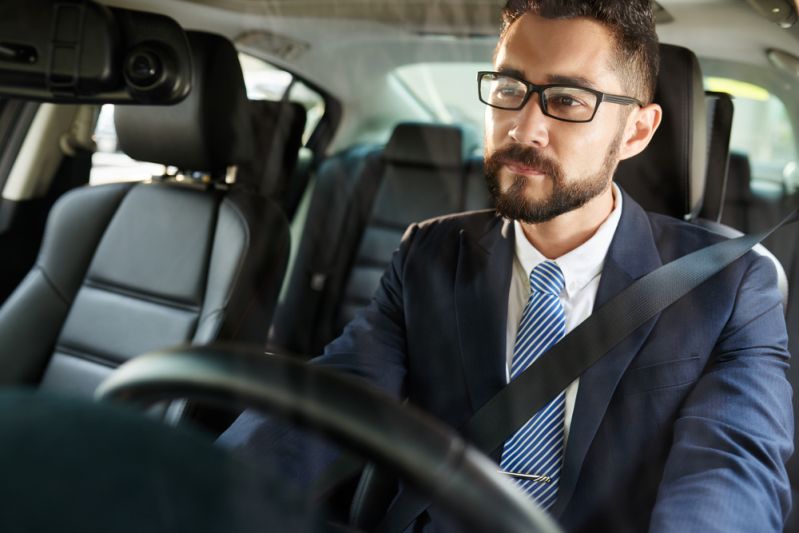
The fast pace of modern life and covering long distances in a short time make the use of cars imperative. Driving is one of the main ways we get around in everyday life. With the increased use of cars there is a greater risk of accidents on the road network. For this reason, potential drivers must meet certain criteria for the safety of themselves, their passengers and of course pedestrians.
"Statistics show that only 1 in 5 drivers does NOT have some vision problem."
The golden rules for safe driving are:
- We always use our glasses, as well as sunglasses when there is strong light.
- We use a light and thin frame so it does not tire us and does not obstruct our peripheral vision.
- We visit our ophthalmologist often.
- We avoid driving or walking as pedestrians at night or when we are tired.
- We keep the glass surfaces clean and the car's lights properly adjusted.
- We increase head and body movements to compensate for the deficit in our field of view.
It is clear that road safety starts with good vision, which is the most important of our senses, at least while driving. It is therefore of primary importance that we look after the health of our eyes. We do not neglect to visit our ophthalmologist once a year, to always use whatever visual aids they recommend, to renew our lenses whenever needed and to avoid driving when we feel our eyes are tired.
People often tend to overestimate their abilities, to consider themselves invulnerable and to believe that all those tragic events we see from time to time happen only to others. Our life on the road is fragile and the unexpected lurks around every corner. Let us therefore try, as far as it is in our hands, to make sure that the human error that often costs lives is not ours.