


 Facebook
 Google
Vision in childhood
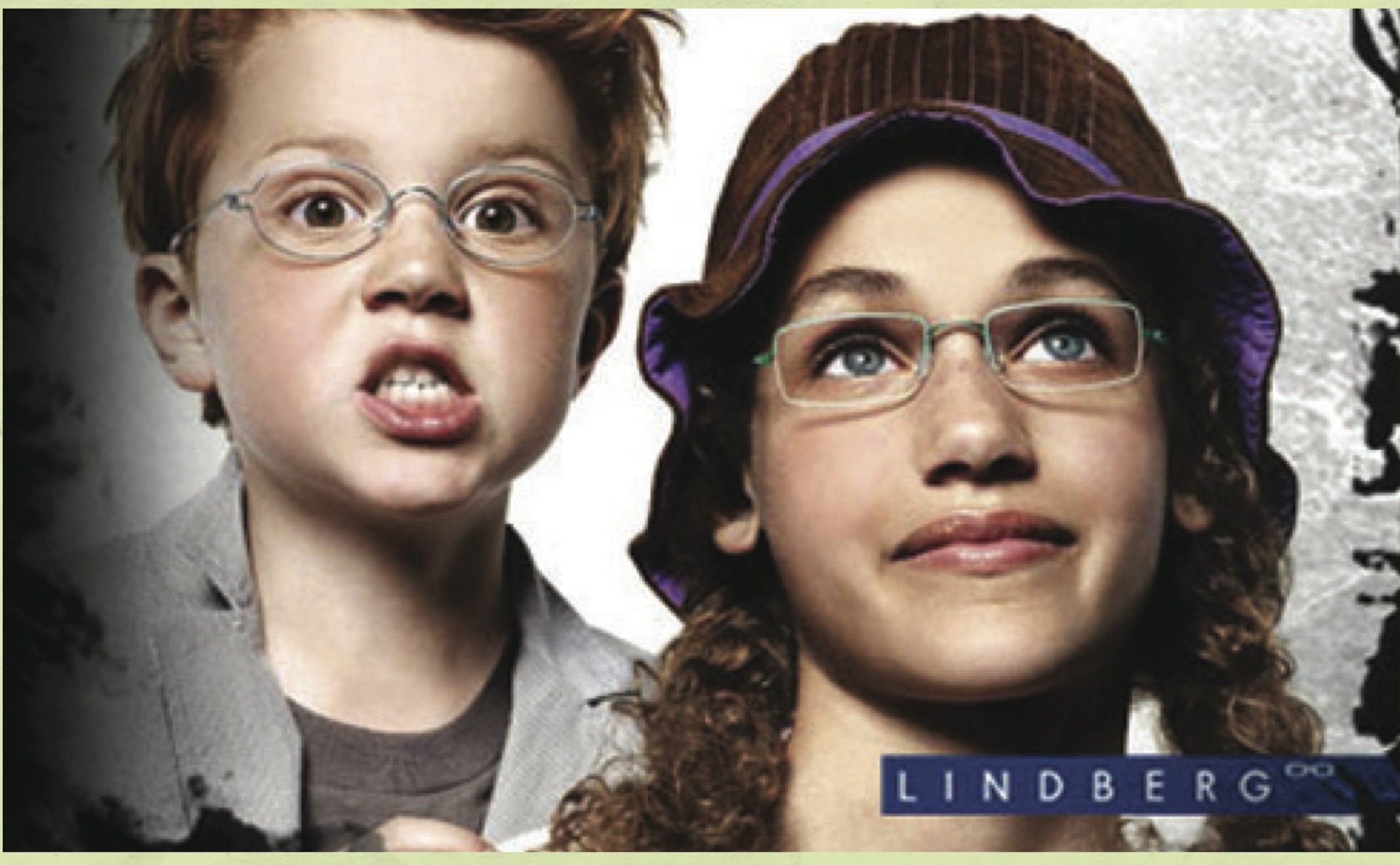
From the first days after their children are born, parents have several questions about their vision, such as how clearly they see, whether they focus on the objects that interest them, whether they recognise faces, why they always fixate on people's eyes, etc. The development of perceptual functions shows great "plasticity" in early childhood (up to the age of 5), which is why treating any vision problem (e.g. astigmatism, strabismus, anisometropia) is more effective at these ages, so as to ensure the child's good visual function for the rest of their life.

Recent research shows that the environment and, above all, the increased demands of near work (school and extra tutoring lessons, video games and mobile phones) combined with abstaining from activities (e.g. sports) outdoors play an important role in the rising rates of myopia, which usually appears at ages > 8. In Greece today, 30% of primary school pupils and 40-50% of secondary school pupils show myopia, evidence showing that its onset and rate of progression are determined during the school years between 6 and 12!
Because it is obvious that reduced vision has significant effects on education and can lead to low performance and reduced participation in lessons, it is essential at these ages that children's vision is checked at regular intervals.
source: opticalhouse.gr